From tankers on long-haul oil routes to container ships cycling through the world's busiest ports, commercial vessel operators share one constant: the crewing team sits at the intersection of every major operational and compliance risk. RadiantFleet is built for that reality.
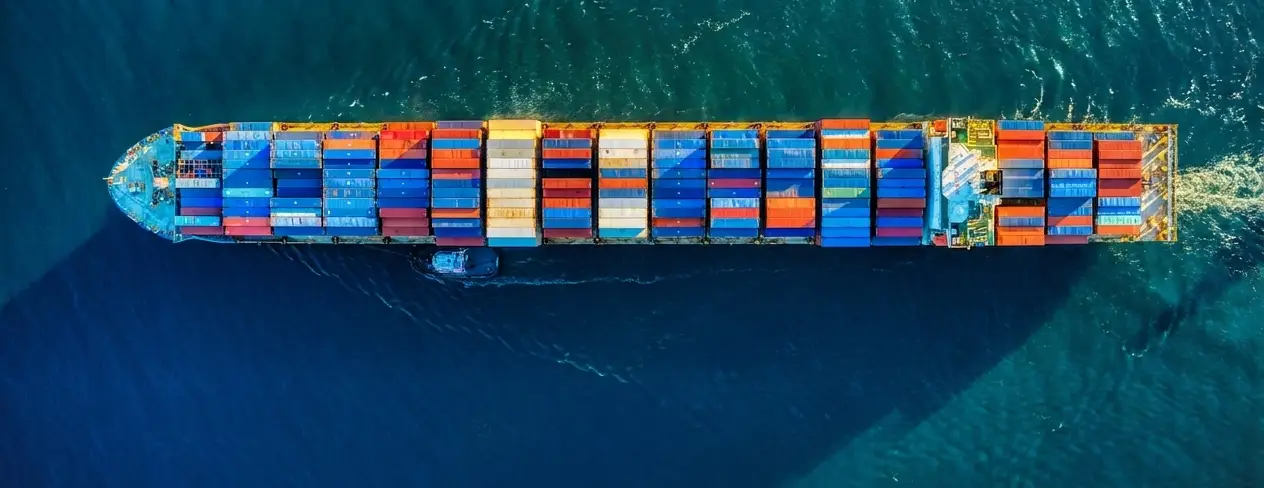
Tankers. Dry Bulk. Container. Ports.
The compliance framework, rotation structure, and crewing pressures differ meaningfully between vessel types. RadiantFleet handles all four without forcing any of them into a generic maritime template.
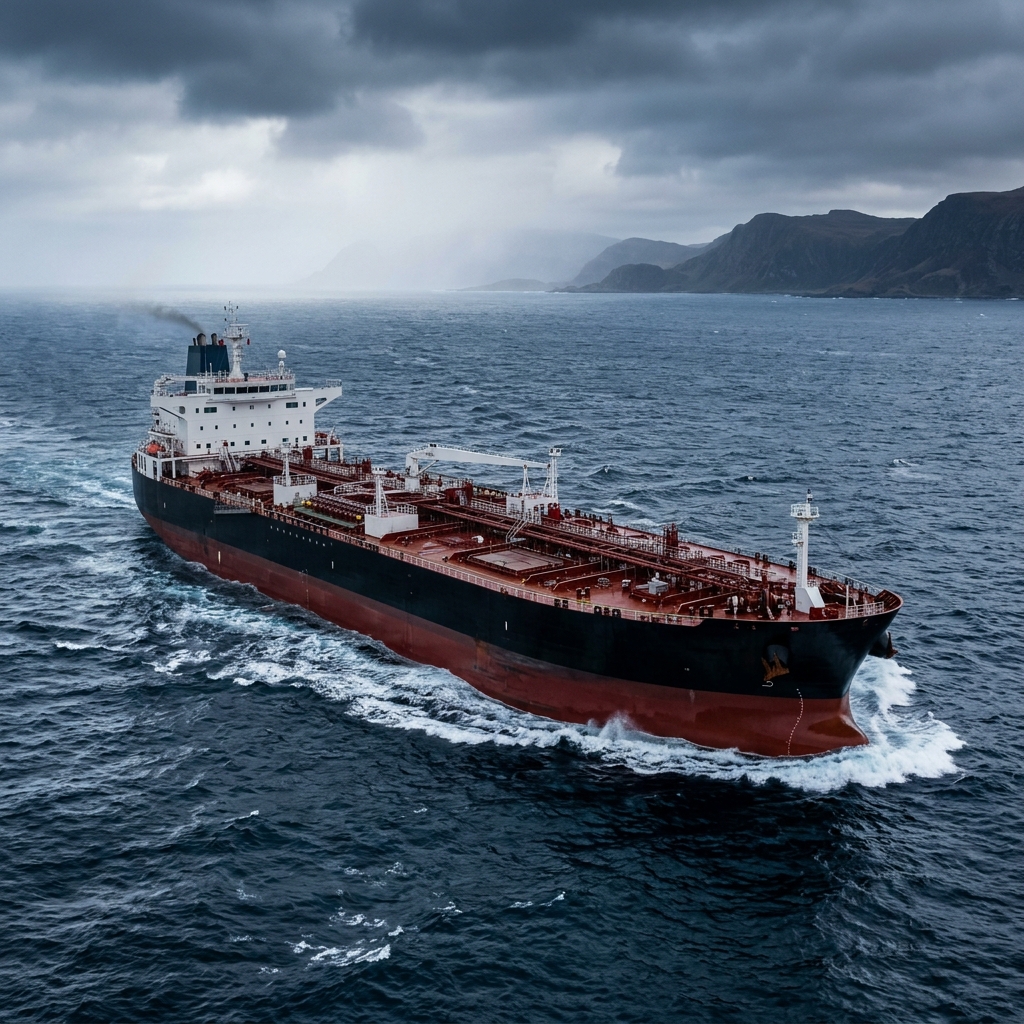
Tankers
Middle East Gulf · North Sea · US Gulf Coast · Asia Pacific
Vessel-type endorsements, IGF Code certification for gas carriers, CBA wage scales, and rest-hour logs that get scrutinized at every port call. Tanker crewing runs on documentation as much as seamanship.
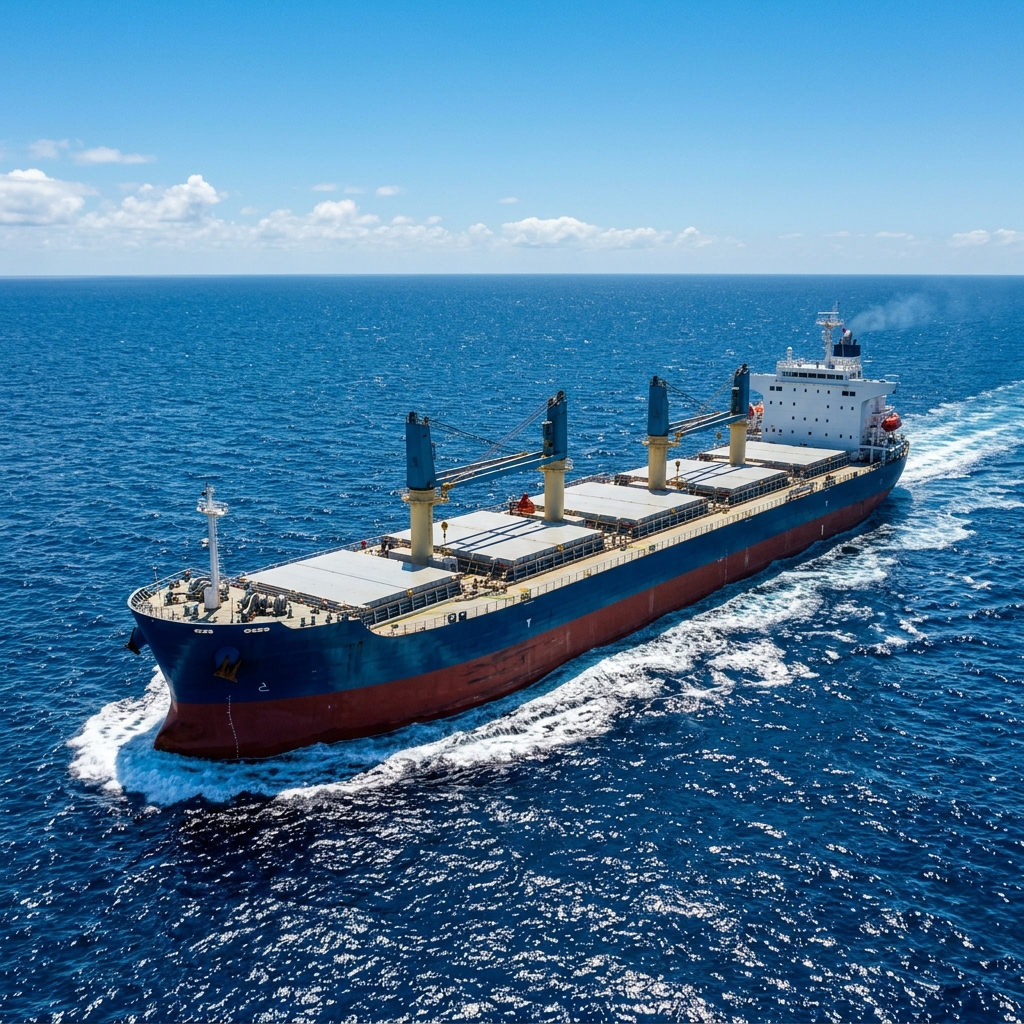
Dry Bulk & General Cargo
Brazil · Australia · Black Sea · South-East Asia
Crews sourced across multiple manning agencies, on contracts running six months through several ocean zones. Documents, advance balances, and rotation status, held piecemeal by agencies that each update on their own schedule.
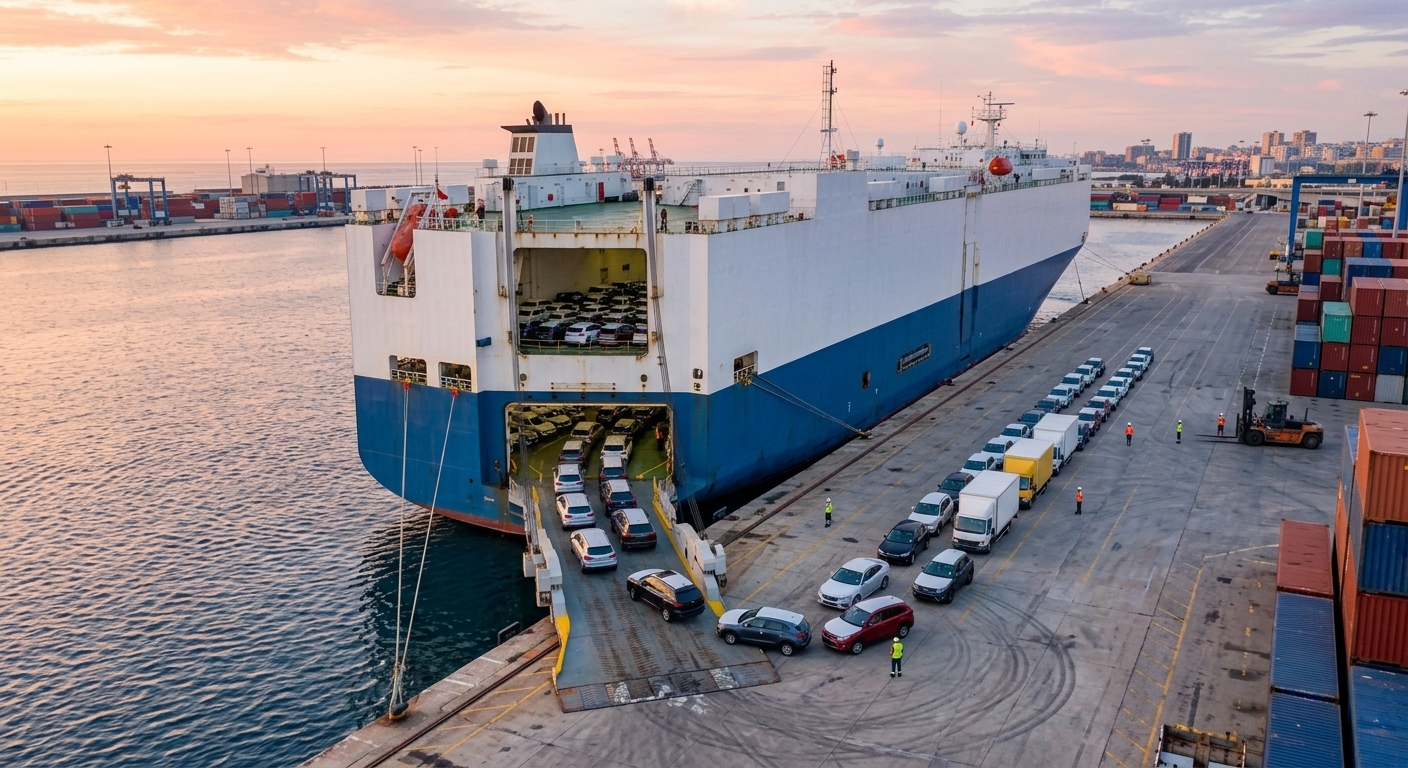
Container & Ro-Ro
Trans-Pacific · Asia–Europe · Intra-Asia · Transatlantic
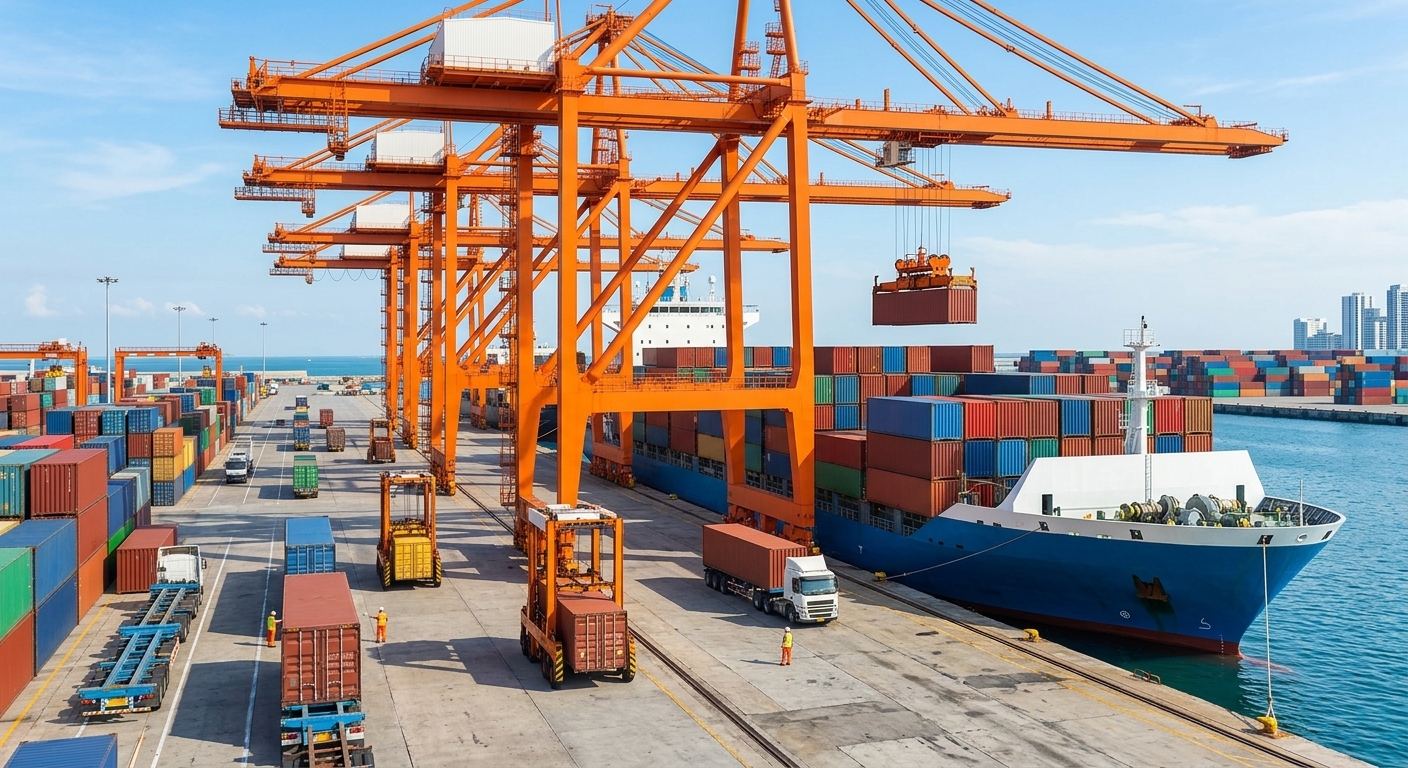
Vessels cycling through Rotterdam, Singapore, and Los Angeles in the same fortnight, on a commercial timetable that runs by the hour. Crew changes inside 24-hour port windows. Certificates, rest hour records, and MLC crew agreements, ready before the vessel arrives.
Ports & Terminals
Container terminals · Bulk facilities · Stevedoring operations
A shore-based workforce with vessel-crewing discipline. Shift coverage tied to berth operations, safety certifications on their own renewal cycles, and port labor agreements among the most complex in any industry. Permanent, temporary, and agency workers, shifting with the season.
Where operations
get complex.
Four pressure points that run across every commercial shipping and port operation — regardless of vessel type — and the specific RadiantFleet solutions built for each.


See it on your commercial fleet.

We will walk through your specific operational context — tanker, bulk, container, or terminal — and show you exactly where RadiantFleet replaces the processes that currently create risk.