RadiantFleet / Offshore & Energy
OFFSHORE & ENERGY

Crew management for operations where the schedule is the constraint.

Offshore crewing isn't voyage-based β€” it's project-based. Whether crew rotate on 14-day hitches, mobilise for multi-month campaigns, or work irregular schedules driven by season and catch, every position must be filled by someone whose certifications are current and whose paperwork is in order from day one. RadiantFleet is built for that environment.
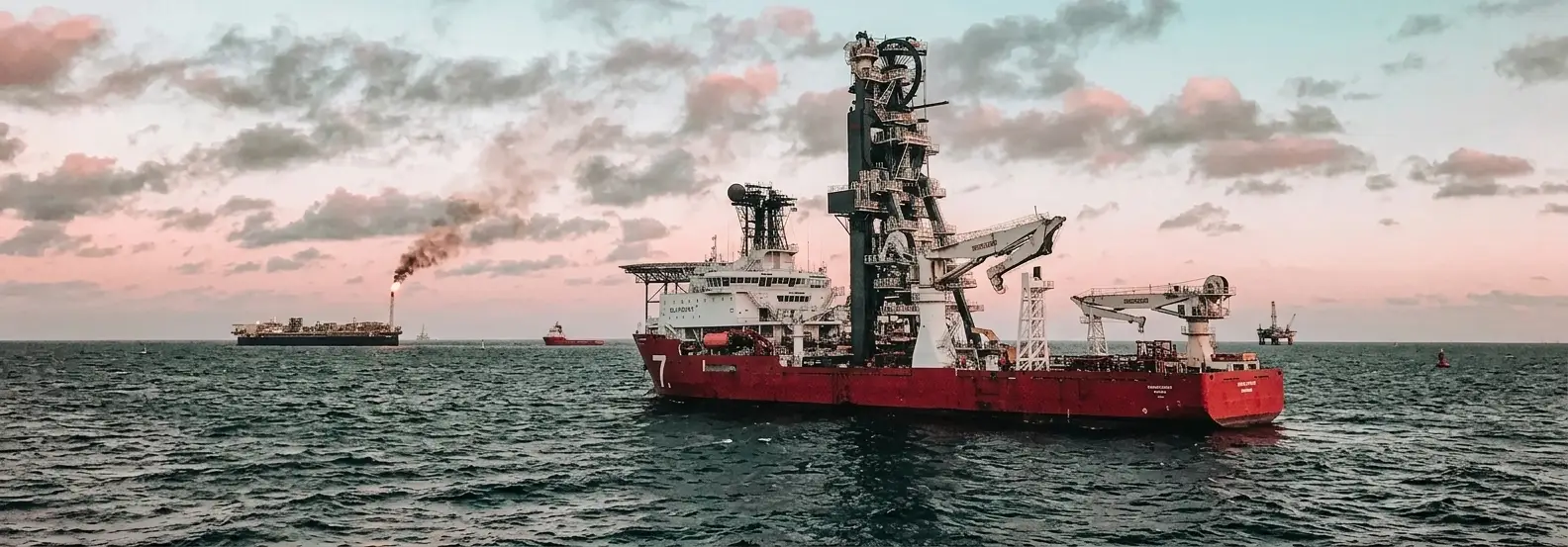
Offshore energy vessel fleet managed with RadiantFleet offshore crew management software
$1T+ Global offshore energy investment forecast through 2030
Project time Offshore crews plan against project schedules, not voyage dates
Day one When every position must be filled and fully certified
Three vessel types

Oil, Gas & Subsea. Offshore Wind. Fishing & Aquaculture.

Each operates on project time, with specialist crews and layered certification requirements that go well beyond the STCW base. The vessel profiles and rotation structures differ β€” the underlying demand for precision crewing does not.

01 · OIL, GAS & SUBSEA
PSVS · DSVS · DRILLING · SURVEY VESSELS

Oil, Gas & Subsea

North Sea · West Africa · Gulf of Mexico · Asia Pacific

The deepest certification matrices in offshore maritime β€” DP Officer certificates, BOSIET, HUET, and OPITO medical fitness, layered on the STCW base. Rosters built months ahead from a specialist pool spread across competing campaigns.

DP Officer certification Project roster planning Client induction records
Platform supply vessel managed with RadiantFleet offshore crew management software
02 · OFFSHORE WIND
CTVS · WTIVS · SOVS

Offshore Wind

North Sea · Baltic Sea · US East Coast · Asia Pacific

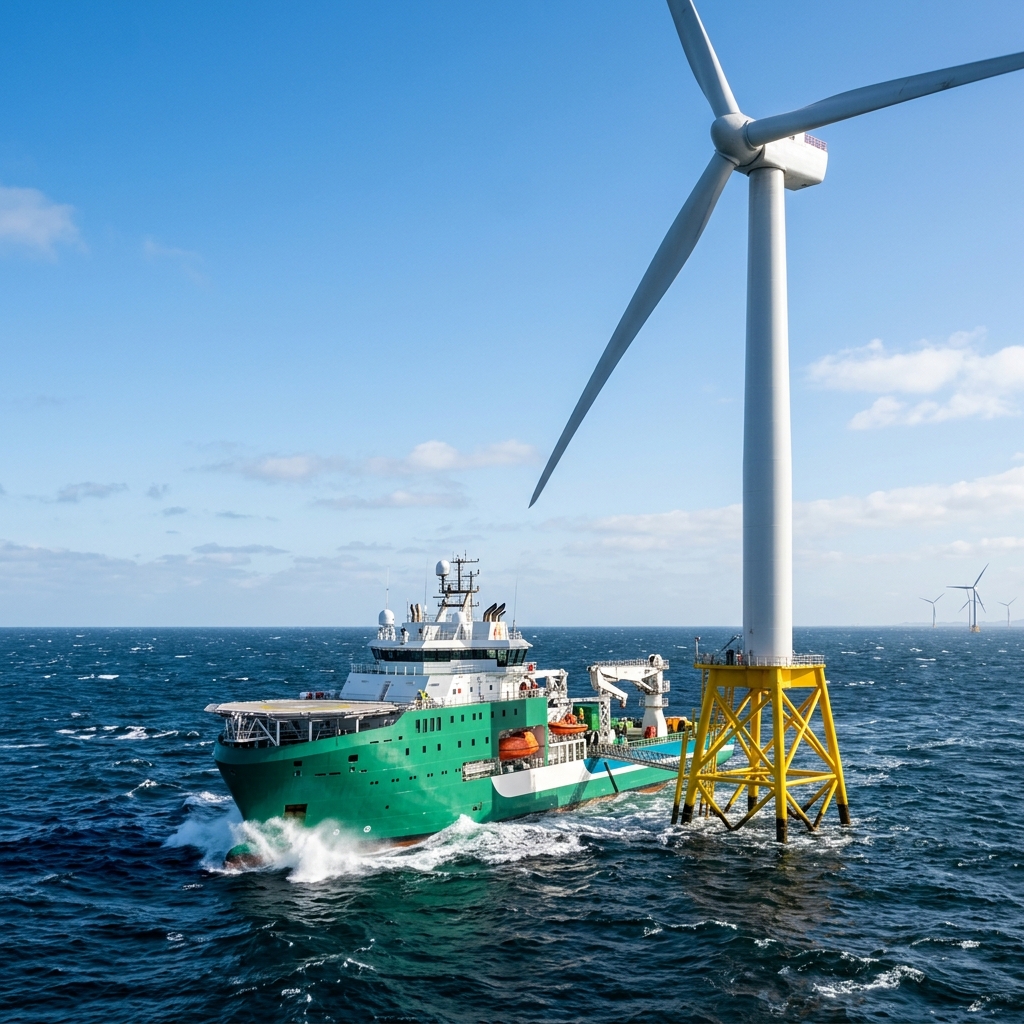
GWO certificates, BOSIET, and developer-specific site inductions, layered on STCW and varying by wind farm. Fixed 14/14 hitch rotations across a growing mixed fleet of CTVs and SOVs, drawn from a crew pool shared across every operator in the market
GWO training certificates Hitch rotation planning Developer induction records
Offshore wind service vessel managed with RadiantFleet offshore crew management software
03 · FISHING & AQUACULTURE
TRAWLERS · FISH FARMS · PROCESSING VESSELS

Fishing & Aquaculture

North Atlantic · Norwegian Sea · Pacific · Southern Ocean

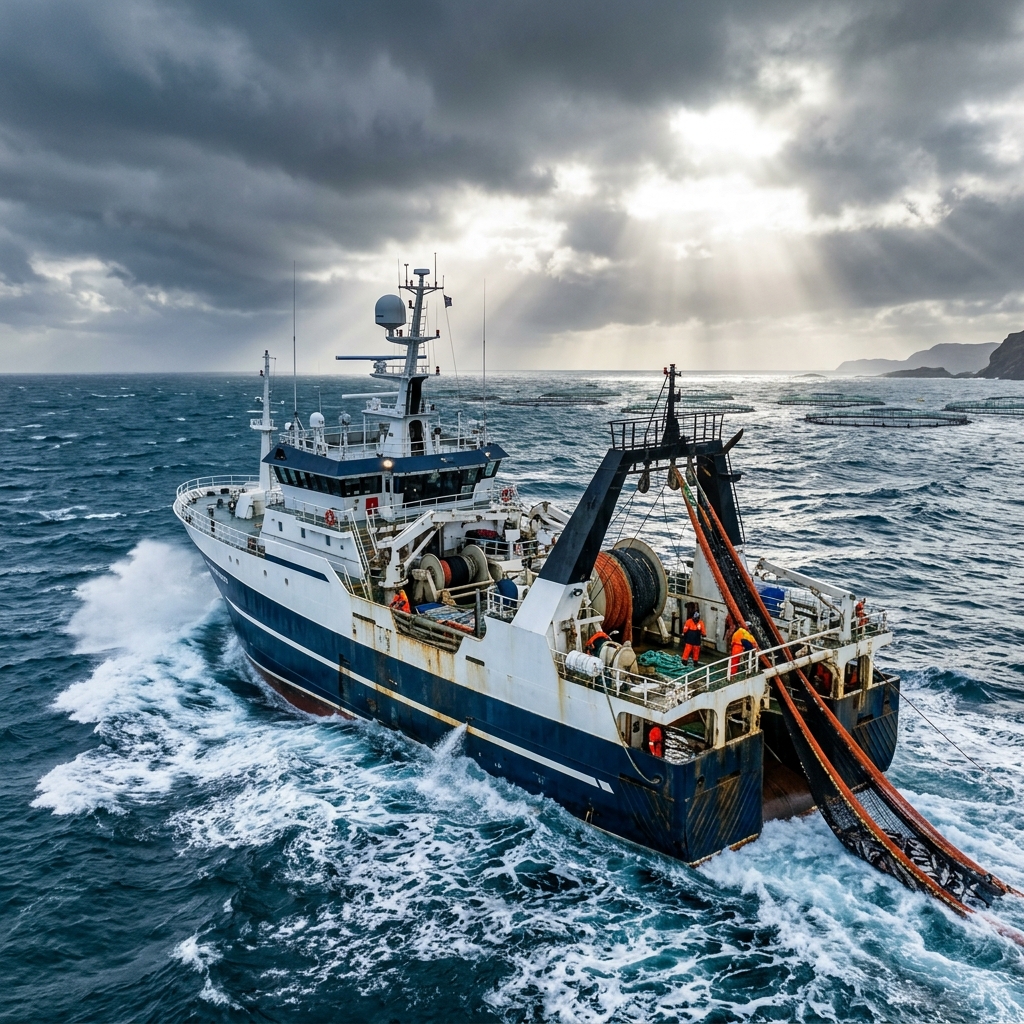
Catch-driven schedules, crew mobilizing on 48-to-72-hour notice. Fishing vessel crew agreements, rest hour records, and medical certificates specific to the sector. Vessel crew and shore-based staff under the same employer, on different contracts and certifications.
Fishing-specific crew records Short-notice deployment Mixed vessel & shore workforce
Fishing vessel managed with RadiantFleet offshore crew management software
Operational reality

Where operations
get complex.

Four pressure points that run across every offshore and energy operation β€” regardless of vessel type β€” and the specific RadiantFleet solutions built for each.

The Challenge
Certification stacks that go three levels deep
On top of STCW and MLC, offshore crew carry an industry layer β€” GWO training certificates, BOSIET, HUET, OPITO medicals, DP Officer certificates β€” and above that, client-specific site inductions valid only for individual installations. One expired certificate stops a crew member from entering the field, regardless of everything else being current.
Industry certifications Client-site requirements Pre-deployment checks
In Numbers
25–50
Individual certificates per crew member
From 25 on a wind farm CTV to 50+ on a subsea specialist vessel.
Source: GWO Basic Safety Training Standard; IMCA D 024; Nautical Institute DP Competence Standard
RadiantFleet Solution
Every certificate tracked independently. Gaps surfaced instantly.
All certifications are stored per crew member with independent expiry tracking β€” including custom fields for specialist and client-specific frameworks. Any gaps are visible on the profile when a crew member is selected, giving the operator time to act before they travel.
Crew Management interface for tracking DP and OPITO certifications
CERTIFICATES
CertificatesCrew Data ManagementAssignmentsCrew Portal
The Challenge
Fixed project windows and hitch schedules with zero slack
Subsea rosters must be finalised months before the vessel sails. Wind farm hitches repeat every 14 days without exception. Fishing vessels can need crew at 48-to-72-hour notice. Across all three sectors, gaps that are visible in the data for weeks only surface when it is nearly too late to address them.
Project roster planning Hitch rotation management Forward visibility
In Numbers
14/14
Standard offshore hitch pattern rotation
Planned and committed months ahead, with no tolerance for last-minute coverage gaps.
Source: OPITO Offshore Workforce Report; Oil & Gas UK Workforce Insight Report
RadiantFleet Solution
Overview Planner mapping every hitch and project assignment.
The Overview Planner maps every hitch rotation and project assignment across the full fleet on a single view. Unconfirmed reliefs and upcoming gaps are visible weeks ahead β€” when there is still time to arrange cover.
Overview Planner mapping assignments across offshore projects
OVERVIEW PLANNER
Overview PlannerPlannerAssignmentsAssignment Requests
The Challenge
Constrained specialist and seasonal crew pools
The pool of qualified offshore specialists β€” saturation diving supervisors, DP Officers, GWO-certified wind farm crew β€” has not grown at the same pace as demand. Posting a vacancy when a gap opens puts operators at the back of the queue. A structured recruitment process is what separates operators who fill positions on time from those who don't.
Specialist talent pipeline Proactive recruitment Candidate management
In Numbers
100k+
Additional offshore wind crew needed by 2030
In a market where every operator is drawing from the same highly constrained specialist pool.
Source: ORE Catapult Offshore Wind Workforce Outlook; IRENA
RadiantFleet Solution
A structured talent pipeline with branded job boards.
Job postings, a branded careers page, application tracking, and recruitment analytics give crewing teams a structured hiring process. Applications are tracked against specific positions, decisions recorded, and the full pipeline visible at any point.
Recruitment module for posting vacancies and tracking applicants
RECRUITMENT
RecruitmentJobsCandidatesRecruitment Analytics
The Challenge
Fragmented tracking of crew costs and safety records
When payroll, advance payments, and expenses run through separate systems, accurate cost reconciliation for a project or hitch cycle isn't possible until well after the fact. HSE incidents also need to be traceable to individual crew members β€” which gets lost when safety records sit outside the crewing system.
Payroll Advance payments HSE records
In Numbers
60–70%
Of operating costs typically attributable to crew labor
Making crew cost tracking one of the most material financial tasks on any offshore campaign.
Source: OPITO Offshore Workforce Report; Oil & Gas UK Economic Report
RadiantFleet Solution
Payroll, advance payments, and HSE records connected to the profile.
Advance payments are tracked against the crew member's running balance as they are made, so payroll calculates against an accurate figure at each run. HSE incidents are logged and linked directly to individual crew profiles β€” kept within the crewing system rather than a disconnected tool.
Payroll cost tracking and HSE incident history overview
PAYROLL & COSTS
PayrollRate ManagementExpenses & Advance PaymentsHSE Incidents

See it on your offshore fleet.

We will walk through your specific operational context — oil and gas support, offshore wind, or fishing — and show you exactly where RadiantFleet replaces the processes that currently create risk.

REQUEST A DEMO